The Long Blue Hour
At 78° north the sun refuses to set for weeks — and light stops being a moment, becomes a place you live inside.
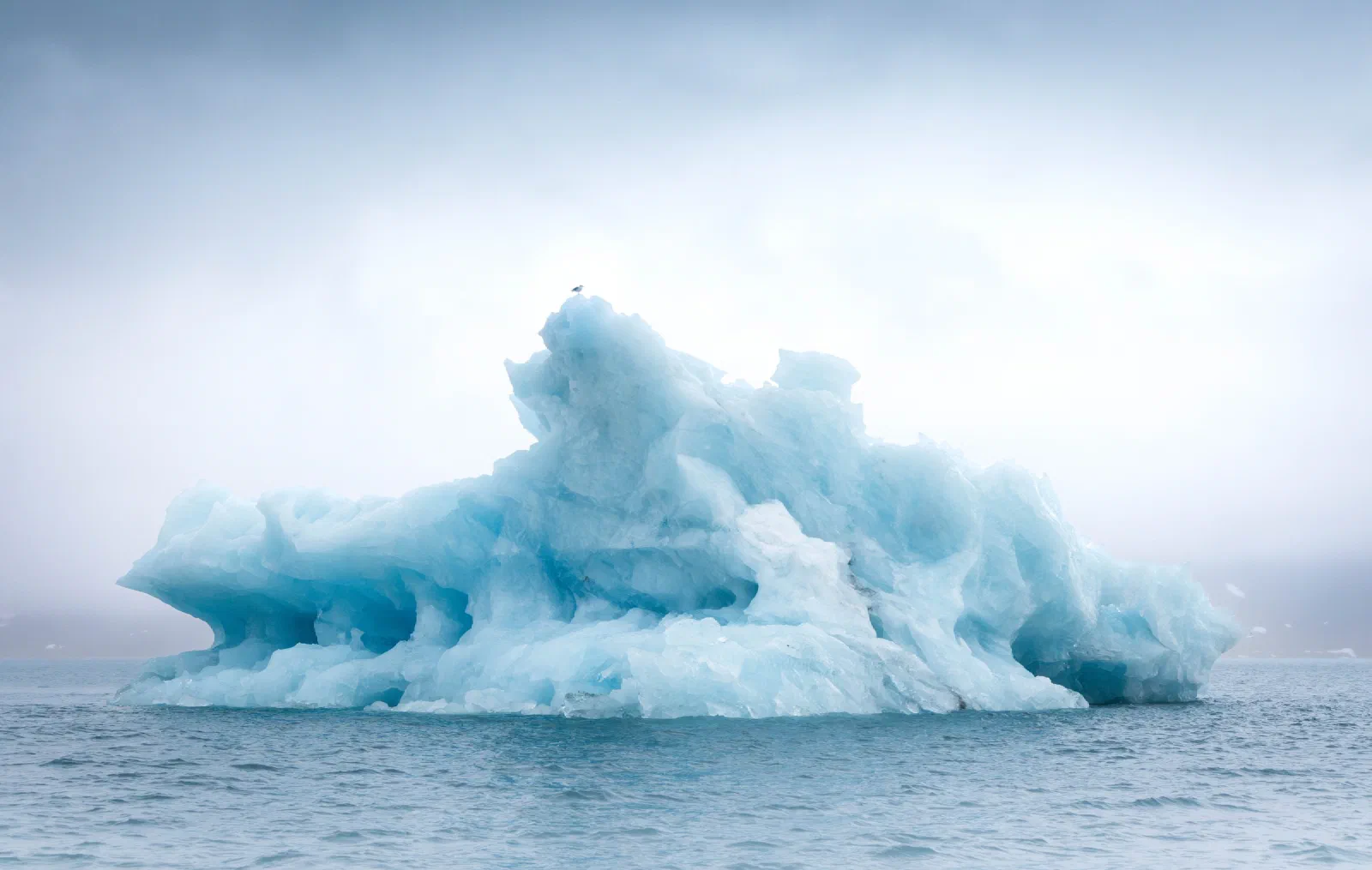
Photographers chase the golden hour like it owes them money. Up here the economy is different: in the weeks around midsummer the sun circles the horizon without ever touching it, and the light between eleven at night and four in the morning turns a blue that has no daytime equivalent — saturated, directionless, patient.
The first time I worked through one of these nights I kept waiting for it to end, the way you wait for weather. It doesn’t end. You sleep when you decide to, not when the planet suggests it, and the discipline that replaces the sunset is entirely your own.
Light stops being a moment and becomes a place — you don’t watch it, you inhabit it.
The photographs from those hours don’t look like anywhere else. Water goes to steel, ice glows from inside, and every white bird carries the blue on its underside like a stamp of origin. What looks like a filter is only latitude.
You can check the claim, if lyricism isn’t evidence enough. Ask how low the sun gets over an entire week of “night” at Longyearbyen’s latitude:
# does the sun ever set at 78.22°N in late June?
from astral.sun import elevation
from datetime import datetime, timedelta

observer = (78.22, 15.65)
t0 = datetime(2026, 6, 21)

lowest = 90.0
for h in range(24 * 7):
    e = elevation(observer, t0 + timedelta(hours=h))
    lowest = min(lowest, e)

print(lowest)  # 10.9 — never even near the horizon
The lowest the sun sinks all week is about eleven degrees above the horizon — higher than a winter noon in Helsinki. There is no sunset event to subscribe to; the loop finds nothing because there is nothing to find.
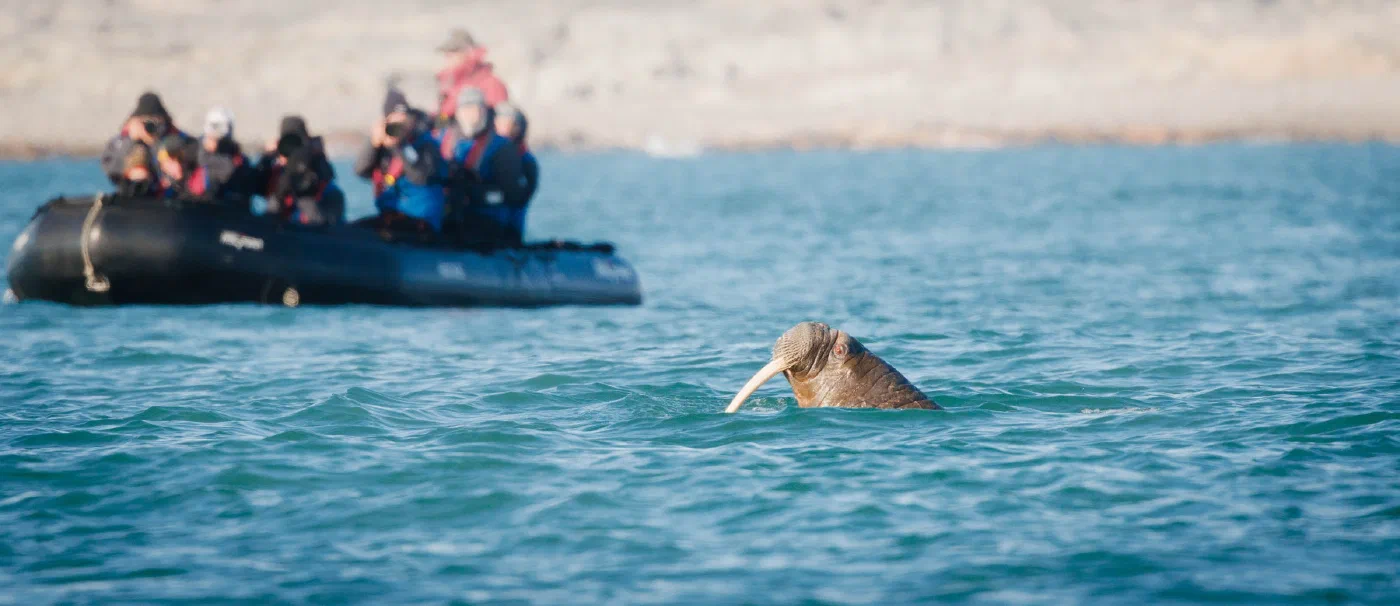
I’ve stopped calling it the midnight sun, which sells it as a novelty. It’s the long blue hour: a season of one continuous evening, and the best working light I know.